
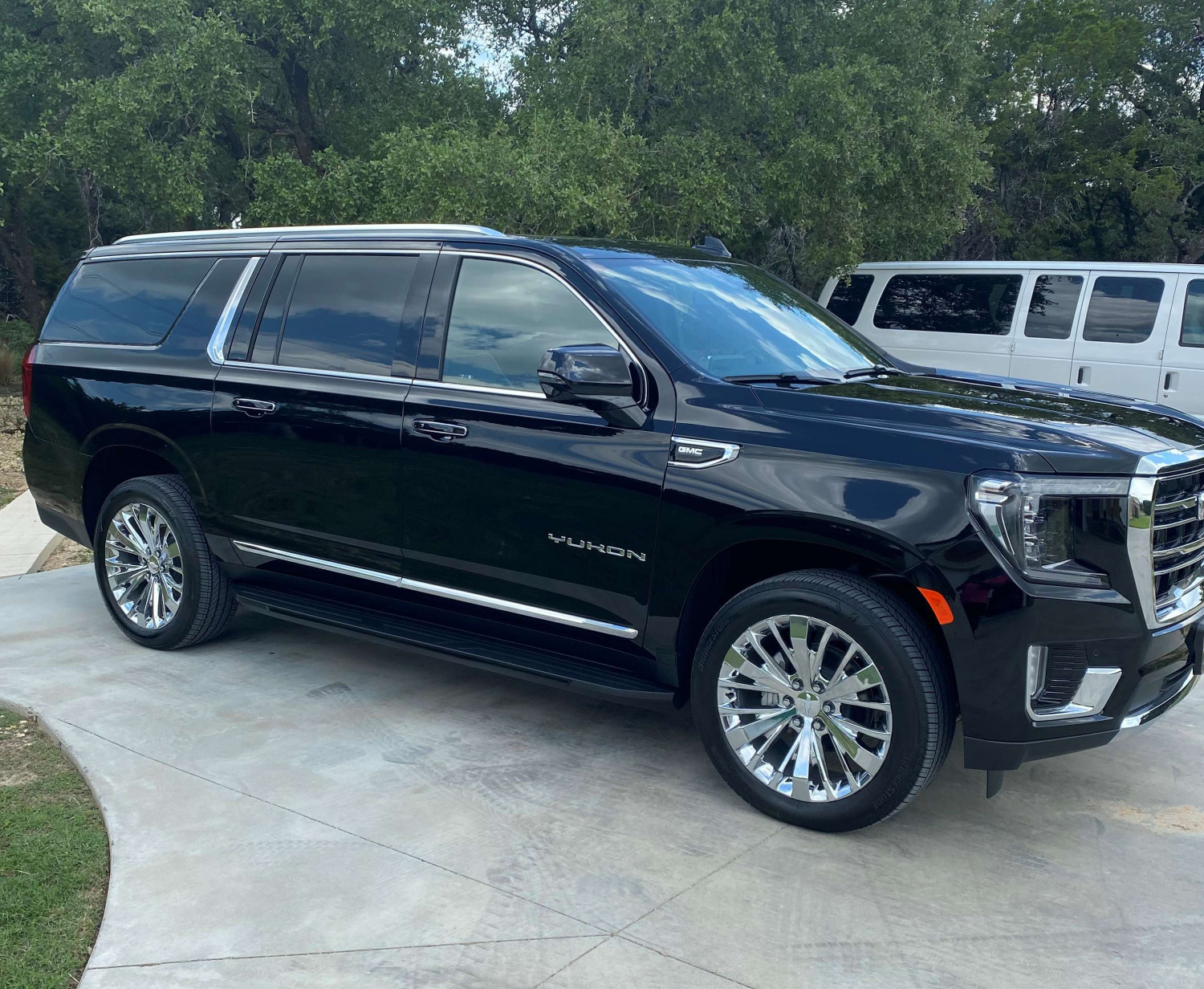
Why Rural Venue Transportation Requires Different Expertise Than City Service
What Standard Transportation Services Miss About Florence and Surrounding Hill Country
Most transportation providers optimize for urban density and highway predictability-high trip volume in compact areas with consistent traffic patterns and abundant signage. This approach breaks down in rural Williamson County where venue addresses don't always map correctly, roads lack street lighting after dark, and cellular service creates gaps in GPS guidance. Drivers unfamiliar with the area waste time backtracking when they miss unmarked turns on county roads, while passengers wonder whether they're headed to the right location.
Florence sits where FM 970 meets County Road 241, an intersection pattern that characterizes Central Texas rural networks-numbered routes that branch through ranch land, cross creek beds that flood during heavy rain, and connect small communities where the nearest gas station or turnaround point might be several miles away. Wedding venues and event locations use ranch names or landmark descriptions rather than conventional addresses, and what looks like a ten-minute drive on a map becomes twenty minutes when you account for unpaved access roads and cattle guards.
What Separates Qualified Rural Transportation from Urban-Focused Services
Experience with rural routes means drivers recognize the difference between official mapping data and actual ground conditions-knowing which county roads transition from pavement to gravel, where low-water crossings become impassable after storms, and which venue access roads require specific vehicle clearance. This knowledge prevents the scenario where vehicles arrive late because the driver attempted a route suitable for passenger cars but not for larger transportation vehicles.
Pre-event reconnaissance identifies complications before they affect your schedule: locked gates that require advance coordination, narrow bridges that necessitate alternative routing for larger vehicles, and seasonal vegetation that obscures road signs. Communication planning accounts for dead zones along certain stretches where real-time coordination becomes impossible-timing buffers and predetermined decision points replace the constant connectivity urban service assumes.
If you're planning an event at a Florence-area venue or need transportation between rural locations and Austin or Georgetown, we can evaluate your specific route and discuss how to handle the logistics reliably.
Key Factors When Evaluating Rural Transportation Providers
Several indicators reveal whether a transportation service can handle rural logistics competently versus hoping GPS alone suffices:
- Whether they conduct site visits to unfamiliar venues before event day rather than relying solely on digital mapping
- How they handle communication when routes pass through areas where cellular coverage becomes unreliable
- Their contingency approach when weather makes preferred routes inadvisable-seasonal flooding along creek crossings in Florence affects several common venue access points
- Vehicle ground clearance and turn radius appropriate for unpaved roads and rural driveways rather than only paved surfaces
- Familiarity with regional landmarks and road naming conventions that differ from urban street systems
These operational capabilities matter more in rural contexts than in cities where infrastructure standardization reduces variables. For transportation service in Florence that accounts for Hill Country geography and rural venue logistics, contact Ambiance Limousine & Transportation LLC to discuss your route requirements.
Contact Us